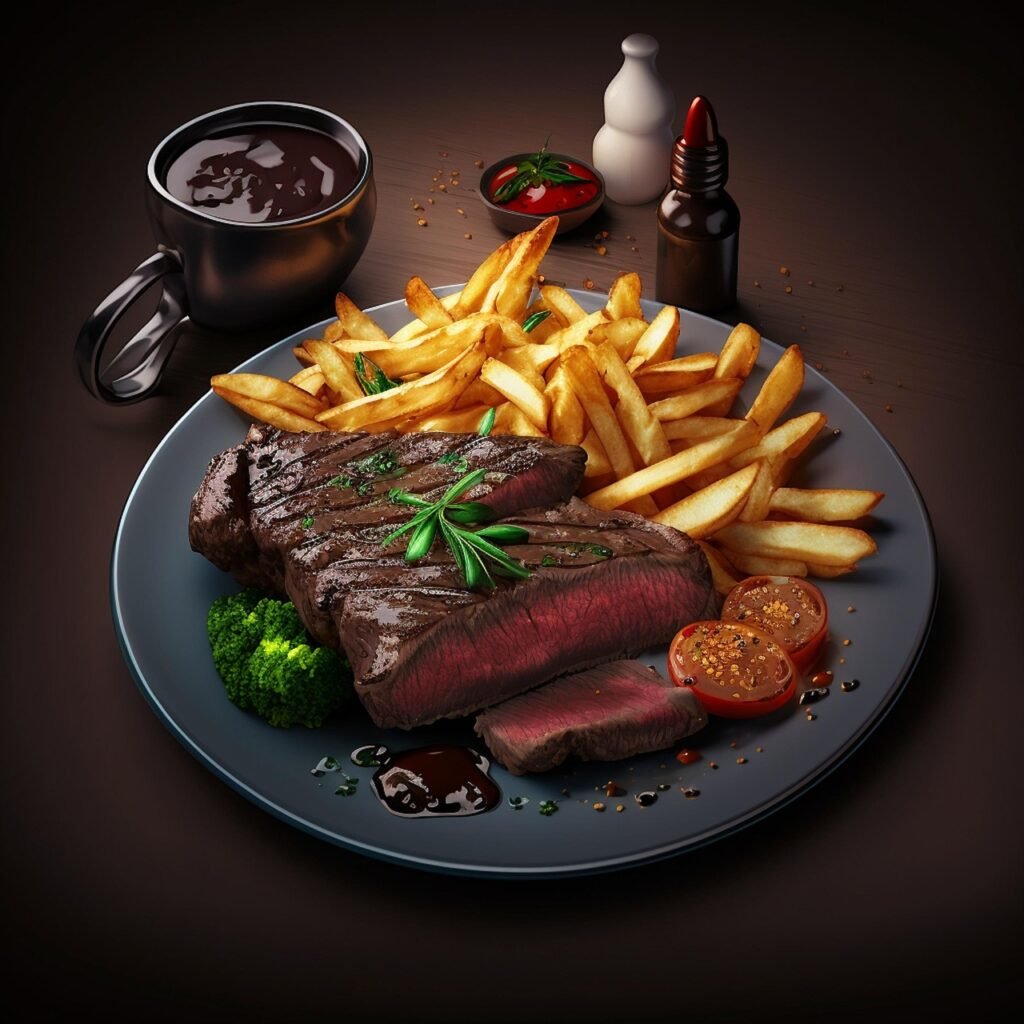
Brothers, we nailed the core: Finances as stewardship, tracking spending, hard choices in budgeting. Today: a real-world example of implementation.
In recovery, I found “Optionality” by Richard Meadows: thrive by seeking low-downside/high-upside options. Walking daily is one — low barrier, massive benefits. (See my walking post.)
In finances, eating out vs. home aligns perfectly. Evaluate objectively — both sides.
Upside of Eating Out
No cooking, no cleanup, order what you want, more fellowship time, served meal, experience, upscale identity boost.
Downside
Higher cost, variable nutrition, overeating risk, time/planning commitment.
Upside of Eating at Home
Lower cost, self-esteem from goal alignment, tailored nutrition, fellowship in prep/eating, meal quality (I’ve matched restaurant level — lifelong learner value).
Downside
Time (shopping/prep when fatigued), cleanup, less “experience” (though I make every dinner excellent — serving my wife).
The Bigger Picture
Eating out is clearly more expensive. But the series progression — Stewardship → Tracking → Hard Choices → Implementation — demands looking beyond money. Home cooking aligns with my body/mind goals for Christ’s use. Eating out complicates that — adds decision fatigue I don’t need.
I’m not dictating eat out or at home. Stopping regular Saturday lunches out brought huge financial, nutritional, and self-esteem gains for me.
What churches largely ignore: A true disciple brings every aspect of life into conformity with being “conformed to the image of Christ” (Rom 8:29). Galatians 2: “I have been crucified with Christ… the life I now live… by faith in the Son of God.” We call that Big Picture. But if the Big Picture doesn’t filter to daily choices, what value is it?
If discipleship doesn’t touch finances, nutrition, fitness, family leadership — what disciple are we?
It’s not part-time. It takes effort — more than anyone told you. Ephesians 4:1 — walk worthy of the calling. Christ gets all of life, not scraps.
Choose wisely.
Pete is Out.